October 2, 2026
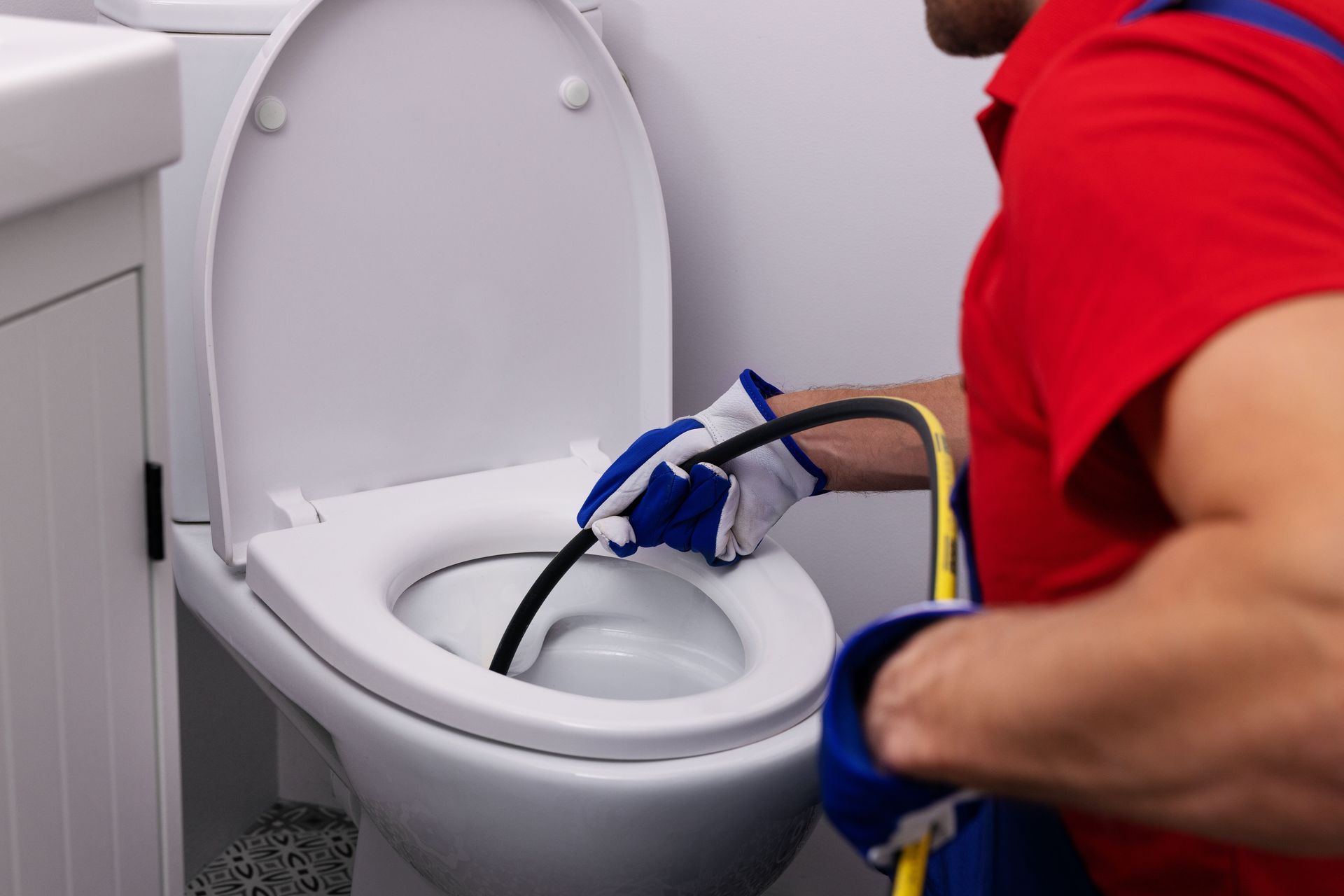
Household drains are designed to carry wastewater and appropriate waste through the plumbing system, but wipes can create problems after they enter the pipes. Unlike toilet paper, many wipes do not break apart quickly in water. Instead, they can remain intact, catch on pipe surfaces, and combine with grease, hair, or other debris. When this buildup restricts flow, professional drain cleaning can help restore movement through affected lines.
The scale of wipe-related sewer problems shows why proper disposal matters. According to Thames Water's May 2026 consumer research, an estimated 3.8 billion wet wipes are flushed into its sewer network each year, while 95% of sewer floods during the previous year resulted from blockages. Although individual household systems differ, wipes can contribute to similar restrictions inside residential plumbing.
Recognizing How Wipes Behave Inside Pipes
Remaining Intact After Flushing
Many wipes are manufactured to remain strong while wet, which is useful during normal use but problematic after they enter plumbing. Instead of rapidly breaking down, they can travel through pipes while retaining much of their original structure. This durability can make them more likely to become trapped around rough surfaces, bends, or existing buildup.
Catching on Pipe Imperfections
Older or damaged pipes may contain rough interior surfaces, joints, scale, or other imperfections that can catch fibrous materials. Once a wipe becomes lodged, additional material can collect around it. Professional drain cleaning can address these developing obstructions before flow becomes completely restricted.
Combining With Other Debris
Wipes rarely create blockages entirely on their own. Hair, grease, soap residue, food particles, and other materials can attach to them. This combination can gradually create a larger mass that restricts wastewater movement and makes drains noticeably slower over time.
Moving Beyond the Fixture
A wipe that disappears from the toilet bowl has not necessarily traveled safely through the entire plumbing system. It can move farther into a branch line or main drain before becoming caught. Problems may therefore develop some distance away from the fixture where the material originally entered.
Recognizing Early Signs of a Wipe Blockage
Noticing Slower Drainage
One of the earliest warning signs is water draining more slowly than normal. A partial restriction can still allow wastewater to pass while reducing the available space inside the pipe. If multiple fixtures begin slowing at the same time, the problem may involve a larger drain line.
Noticing Repeated Toilet Problems
A toilet that clogs repeatedly or flushes differently than usual can indicate an obstruction farther down the line. When wipes are involved, plunging the fixture may not address material lodged deeper in the system. Drain cleaning can help determine whether a restriction is preventing normal wastewater movement.
Noticing Gurgling Sounds
Unusual gurgling from toilets, sinks, or tubs can occur when air struggles to move through partially blocked plumbing. These sounds may appear when another fixture drains or when a toilet is flushed. Changes in normal plumbing sounds deserve attention, particularly when they occur with slow drainage.
Noticing Water Backups
Water appearing in a tub, shower, floor drain, or lower-level fixture after another fixture is used can signal a significant restriction. A backup indicates that wastewater is not moving through the system as intended and requires prompt professional evaluation.
Recognizing How Blockages Can Grow
Collecting More Household Waste
Once wipes become lodged, they can act as a foundation for additional debris. Each use of the plumbing system can send more waste toward the restriction. Over time, the opening through the pipe may become smaller until wastewater can no longer move freely.
Reducing Available Pipe Space
Partial blockages often worsen gradually rather than causing an immediate failure. Homeowners may adapt to slower drains without realizing that the buildup is increasing. Professional drain cleaning can remove accumulated material and help restore more of the pipe's usable interior space.
Increasing Pressure on Drainage
When flow becomes restricted, wastewater has fewer pathways through the plumbing system. This can contribute to backups or unusual behavior at nearby fixtures. The exact symptoms depend on where the obstruction is located and which drains connect to the affected line.
Creating Recurring Problems
A blockage that is only partially disturbed may return because material remains attached inside the pipe. Repeated clogs in the same area can suggest that a deeper restriction has not been fully addressed. A professional evaluation can help determine why the problem keeps returning.
Recognizing Why Main Drains Can Be Affected
Receiving Waste From Multiple Fixtures
The main household drain receives wastewater from several branches throughout the property. Wipes entering through a toilet can eventually reach larger lines, where they encounter debris from kitchens, bathrooms, laundry areas, and other fixtures. This creates more opportunities for material to accumulate.
Developing Larger Obstructions
A main-line blockage can affect several fixtures rather than a single sink or toilet. When multiple drains become slow or backed up, professional drain cleaning may be needed to reach the deeper portion of the plumbing system and address the obstruction.
Interacting With Existing Pipe Conditions
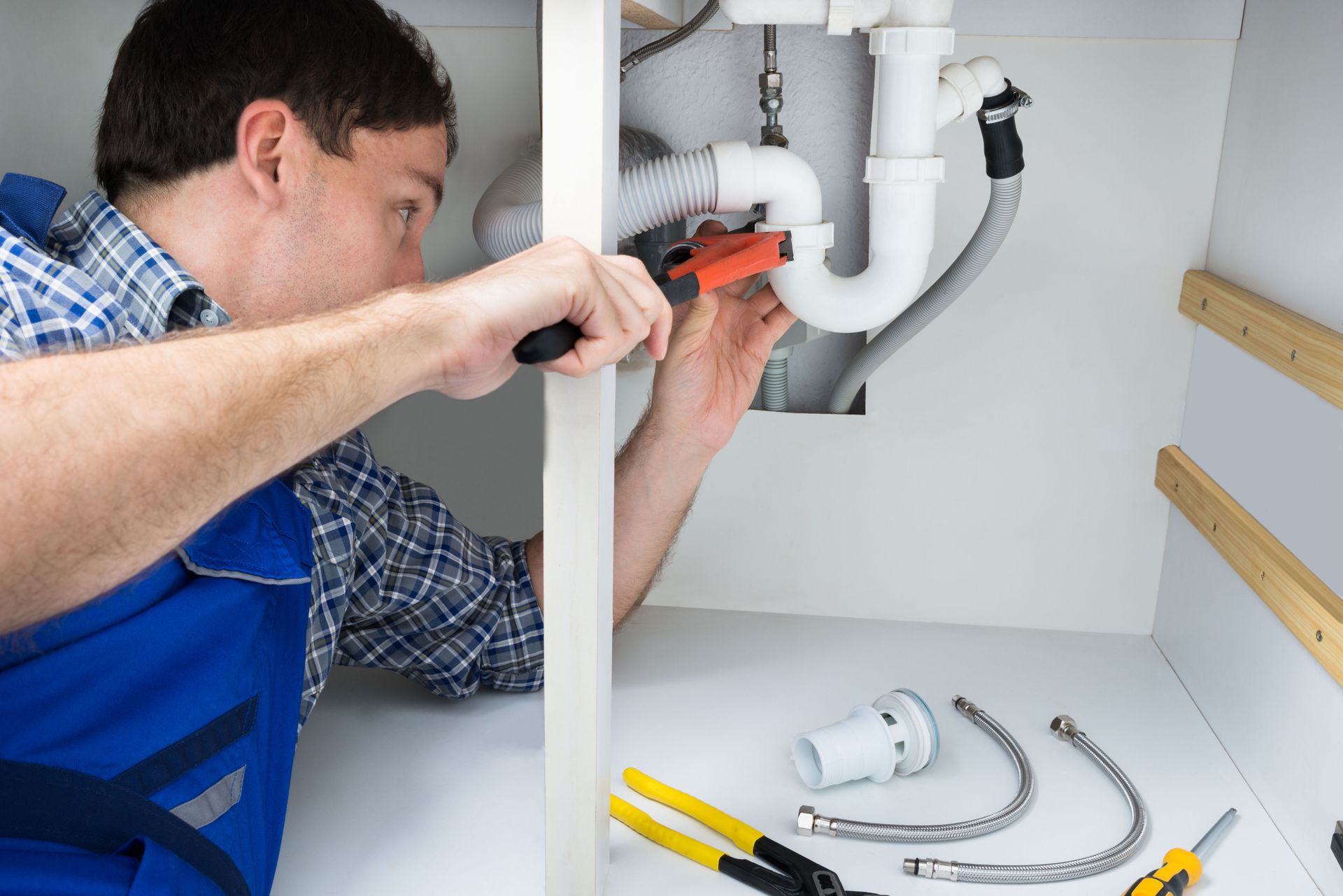
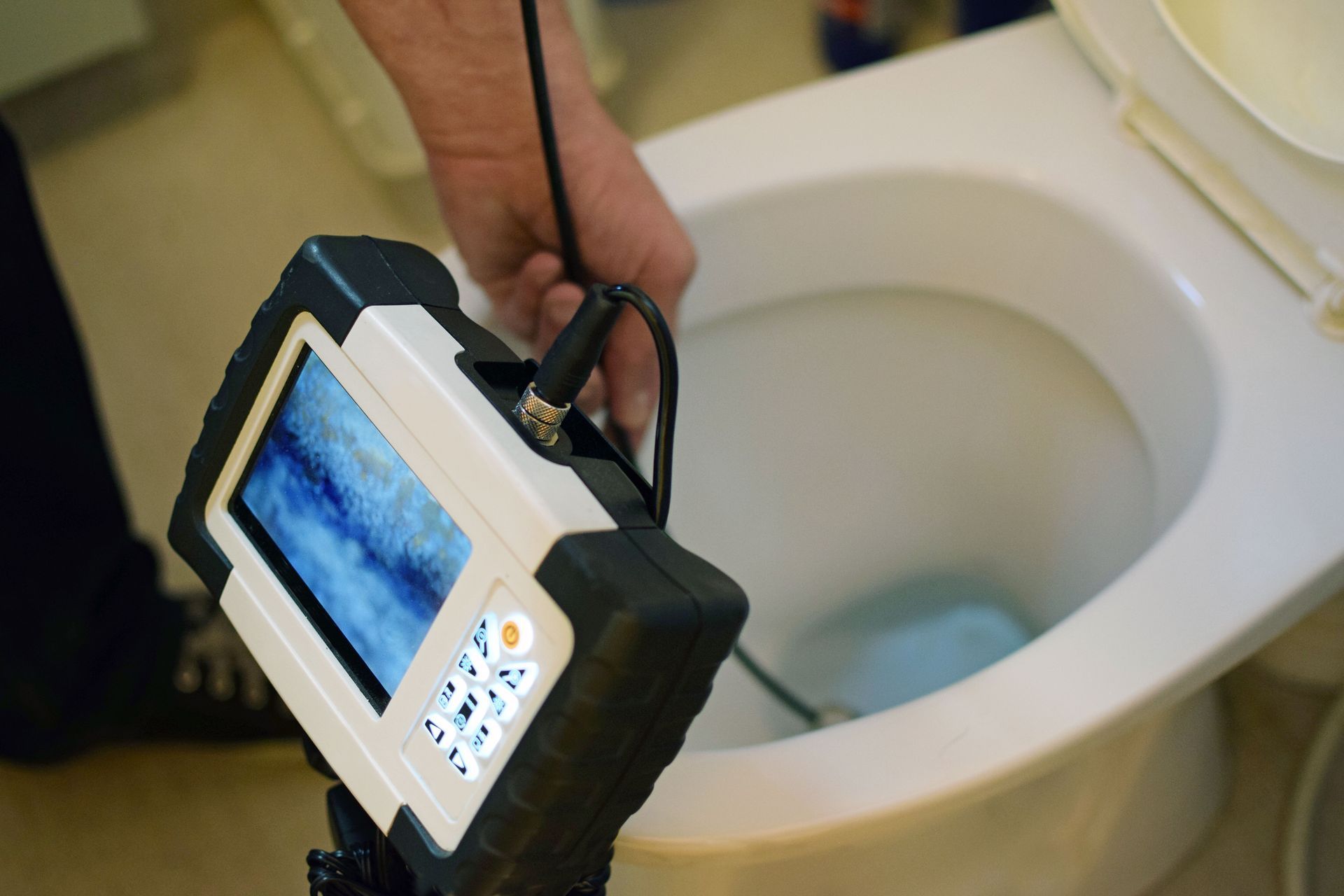
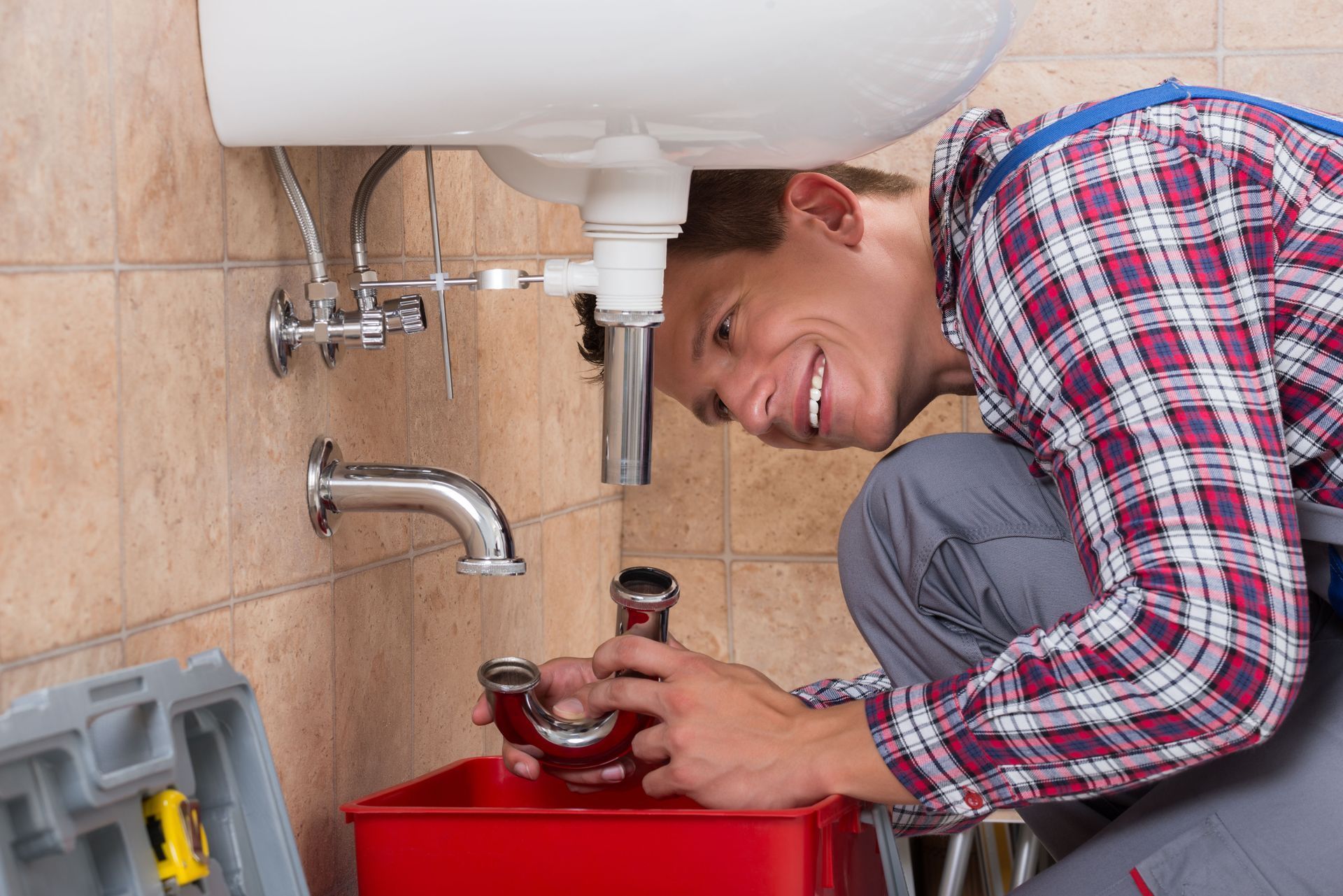
Tree roots, scale, corrosion, offsets, or damaged sections can already reduce the available space within some drain lines. Wipes can become caught around these conditions and worsen an existing restriction. A plumber can evaluate whether the blockage is simply debris or whether the pipe condition is also contributing.
Affecting Lower-Level Fixtures First
When a main drain becomes restricted, lower fixtures may show symptoms before those located higher in the home. Floor drains, basement fixtures, tubs, or showers can become potential locations for wastewater to appear because they sit closer to the drainage system's lower points.
Recognizing When Professional Service Is Appropriate
Responding to Repeated Clogs
An occasional isolated clog does not always indicate a larger plumbing problem, but frequent recurrence deserves professional attention. If the same fixtures repeatedly slow or stop draining, there may be material deeper in the line that requires specialized equipment to remove.
Responding to Multiple Slow Fixtures
When several drains begin experiencing problems simultaneously, the restriction may extend beyond a single fixture. Professional drain cleaning can target shared drainage lines and help identify whether wipe buildup or another obstruction is interfering with wastewater flow.
Responding to Backups Promptly
Wastewater backing up into a home can create sanitation concerns and potentially damage surrounding materials. Prompt service can limit how long the condition continues and help restore normal drainage. A plumber can also determine whether further inspection is warranted after the immediate blockage is cleared.
Responding to Persistent Odors
Unusual drain odors can accompany buildup when organic material becomes trapped inside a pipe. Persistent smells combined with slow drainage or gurgling can indicate that wastewater is not moving normally. A professional evaluation can help identify whether an obstruction is contributing to the problem.
Recognizing the Value of Preventive Awareness
Keeping Wipes Out of Toilets
Avoiding wipe disposal through toilets can reduce one common source of drain trouble. Even products marketed in ways that suggest convenient disposal may behave differently from toilet paper once inside a plumbing system. Keeping them out of household drains helps reduce unnecessary material entering the pipes.
Paying Attention to Changing Drainage
Gradual changes can provide useful warning before a complete blockage occurs. Slower drainage, unusual sounds, and repeated clogs should not be ignored simply because water still moves through the system. Early professional attention can prevent a smaller restriction from becoming more disruptive.
Considering the Age of the Plumbing
Older pipes can have internal wear, corrosion, scaling, or joints that make them more likely to catch debris. Homes with aging plumbing may therefore experience wipe-related problems more readily. Professional drain cleaning can address buildup while also giving plumbers an opportunity to identify conditions that deserve further evaluation.
Protecting the Broader Plumbing System
Household drains operate as a connected system, so what enters one fixture can eventually affect other parts of the property. Keeping inappropriate materials out of pipes and responding promptly to warning signs can help support more dependable drainage throughout the home.
Wipes can create stubborn plumbing problems because they often remain intact, catch other debris, and travel into larger drain lines before becoming lodged. Slow drainage, recurring toilet clogs, gurgling, multiple affected fixtures, and wastewater backups can all indicate that professional service is needed. When wipe buildup or another obstruction is interfering with normal flow, contact ASAP Plumbing and Drain today to schedule drain cleaning and have the affected plumbing evaluated by experienced professionals.