September 24, 2026
As demand for skilled labor continues across the construction and maintenance industries, plumbing remains an important trade with a direct impact on homes, businesses and public infrastructure. Water supply, drainage and sanitation systems all require skilled workers to install, maintain and repair them properly. As buildings age and new construction expands, the need for qualified plumbers continues to create opportunities within the trade.
Plumbing work also continues to change as technology, environmental priorities and building requirements evolve. Modern plumbers must understand more than traditional pipes and fixtures. They may work with water-efficient systems, smart monitoring technology and increasingly sophisticated plumbing equipment. Their ability to adapt helps meet both current and future demands.
Why Is Plumbing Considered a Skilled Trade?
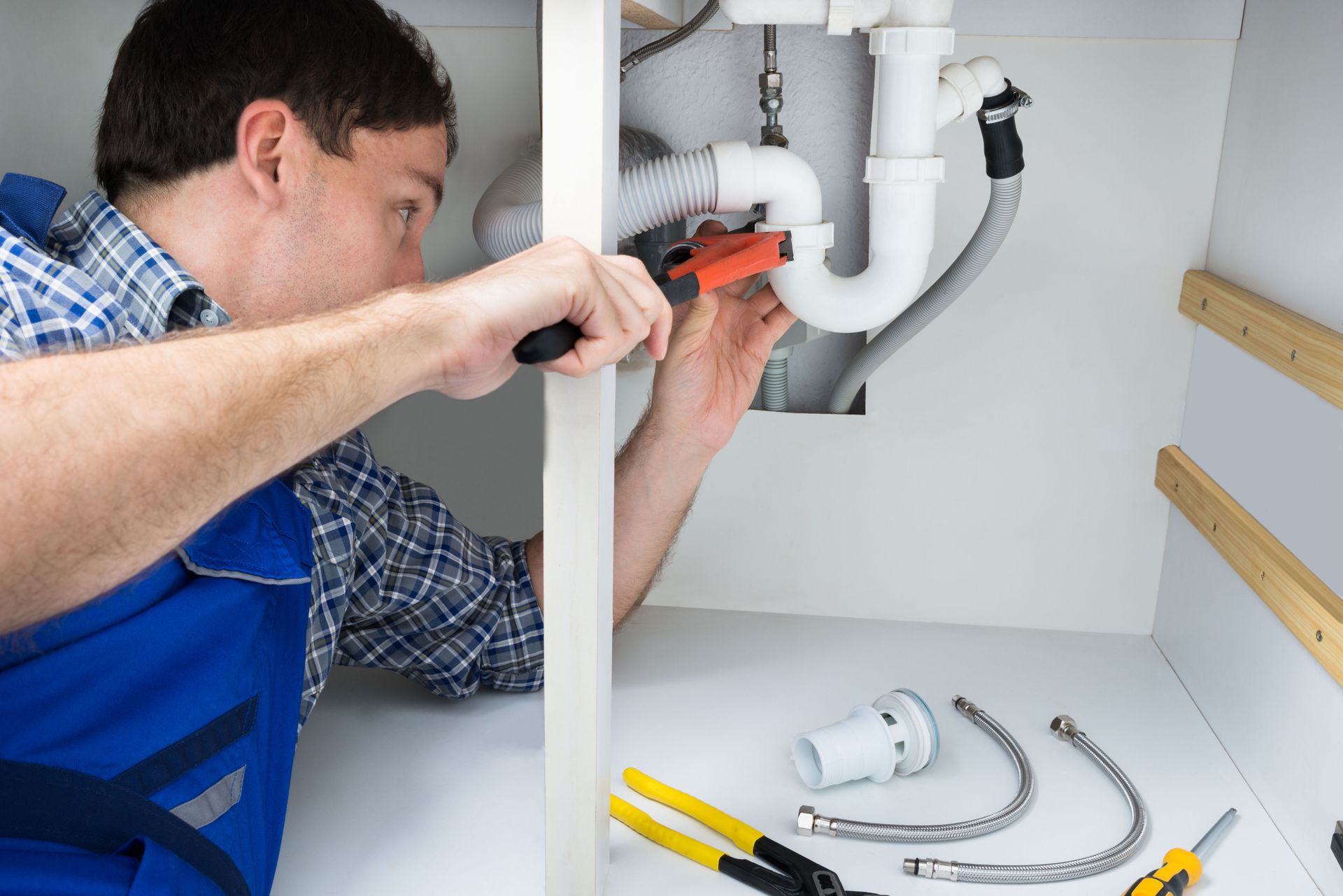
Plumbing is considered a skilled trade because it requires specialized knowledge, practical training and the ability to solve problems involving interconnected systems. Installing or repairing a plumbing system involves understanding water pressure, drainage, pipe materials, fittings, ventilation and applicable building codes.
The work also requires precision. A poorly installed connection can result in leaks, water damage or other problems, while improper drainage or venting can affect how an entire system operates. Plumbers must therefore understand how individual components interact rather than simply replacing whatever part appears to be malfunctioning.
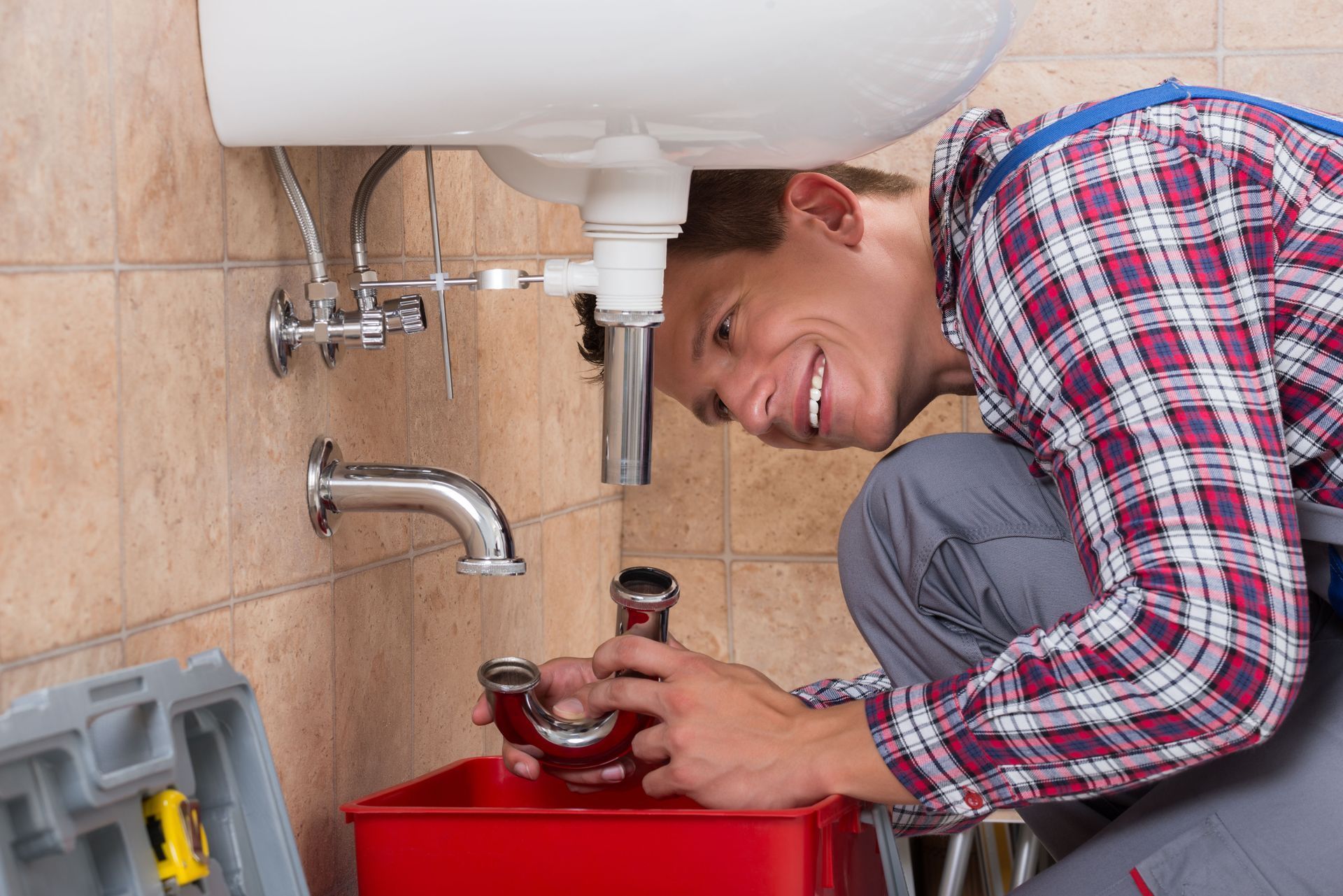
Training is an important part of developing these skills. Many plumbers enter the profession through apprenticeships that combine classroom instruction with supervised, hands-on experience. They learn subjects such as safety procedures, blueprint reading, mathematics, plumbing codes and installation techniques.
The occupation also has a measurable demand for skilled workers. According to the U.S. Bureau of Labor Statistics, employment of plumbers, pipefitters and steamfitters is projected to increase from approximately 510,600 workers in 2025 to 545,200 in 2035. That represents an increase of about 34,500 jobs over the decade.
What Challenges Do Plumbers Face in Today’s Market?
Although demand for plumbing services remains significant, plumbers face several challenges as the industry changes. One is the age of existing infrastructure. Older buildings may contain deteriorating pipes, outdated fixtures or systems constructed according to standards that differ from modern requirements.
Working on an older property can require considerable troubleshooting. Plumbers may have to determine how an existing system was assembled before deciding how to repair or replace a component. In some cases, accessing pipes hidden behind walls or beneath floors can make otherwise straightforward repairs more involved.
Changing regulations create another challenge. Building codes, water-efficiency requirements and safety standards can evolve over time. Plumbers must stay familiar with applicable requirements so that new installations and modifications comply with current rules.
Labor availability is another consideration. As experienced workers retire, the industry needs new people to enter the trade and develop the skills required for increasingly diverse plumbing projects. Apprenticeships and other training programs can help provide a pathway for the next generation of plumbers.
How Do Plumbers Keep Up With Advancements in Plumbing Technology?
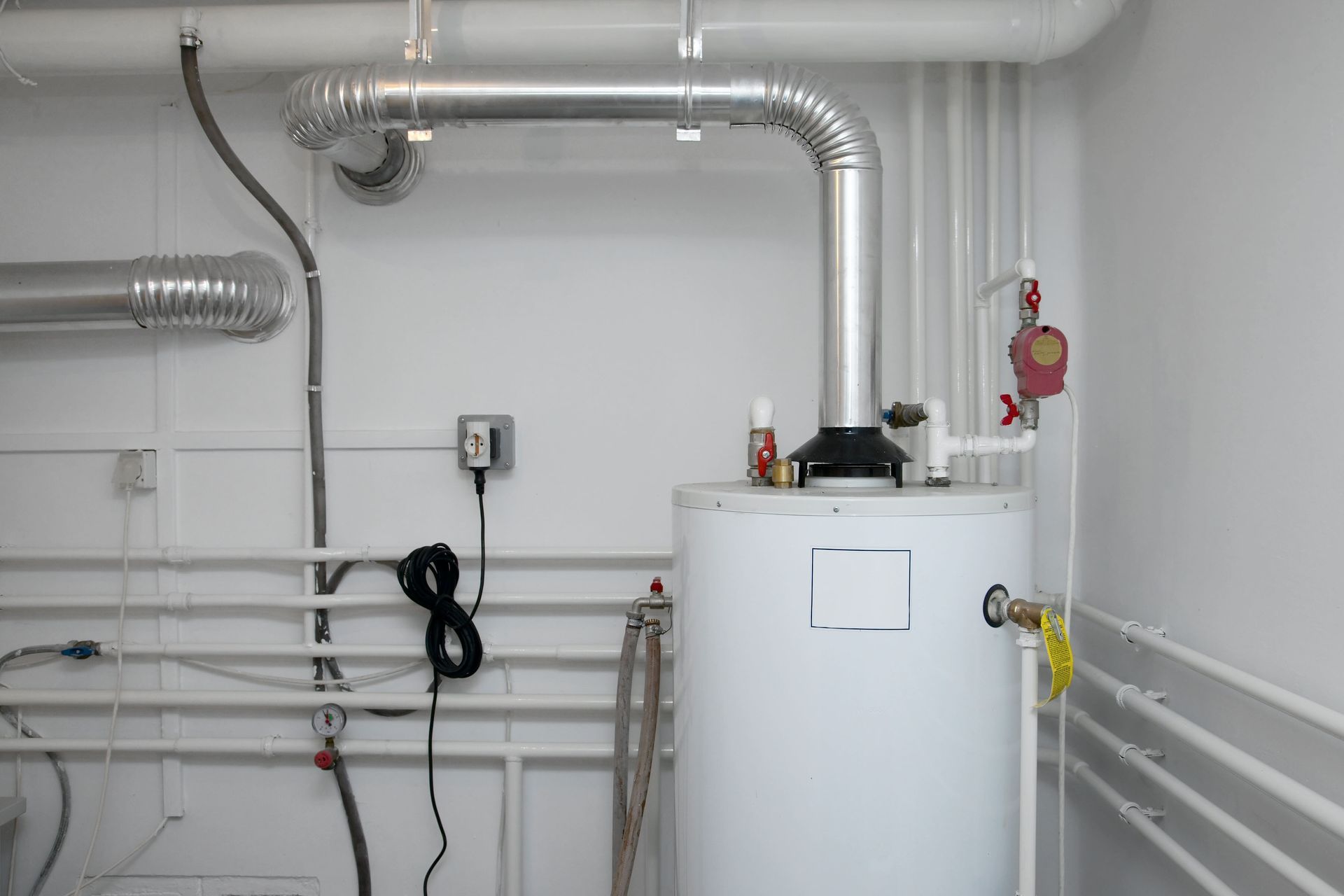
Technology has introduced new tools and systems into the plumbing industry. Plumbers may now encounter smart water-monitoring devices, leak-detection equipment, tankless water heaters, advanced pumps and increasingly efficient fixtures.
Keeping up with these developments requires ongoing education. Manufacturers frequently provide training on new equipment, while trade schools, professional organizations and other educational programs can offer opportunities to learn about changing products and techniques.
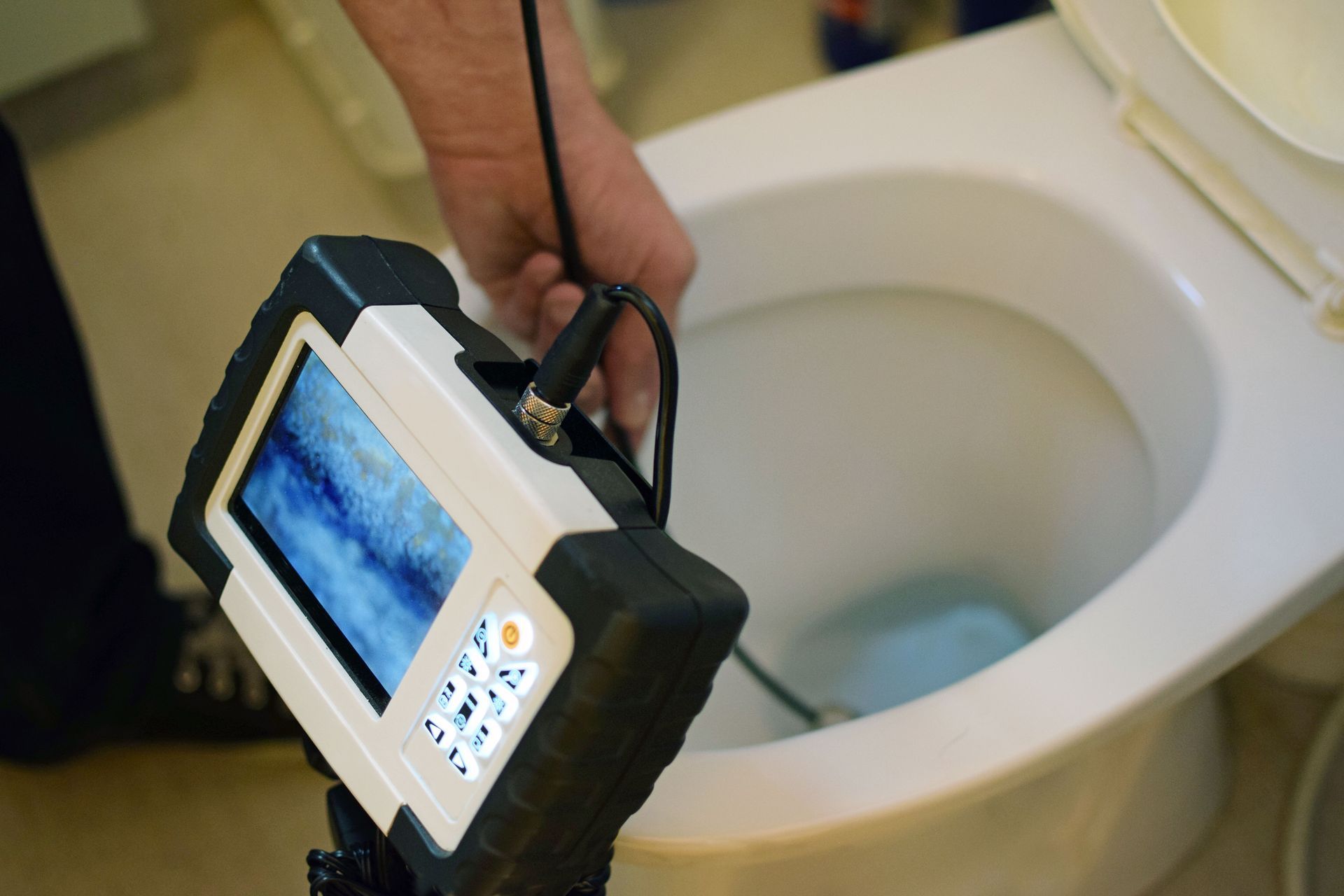
Diagnostic technology can also make it easier to identify problems without unnecessary disruption. For example, specialized inspection equipment can help plumbers investigate pipes or drainage systems when the source of a problem is not immediately visible. This can provide useful information before more invasive work is performed.
Environmental technology is another growing area. High-efficiency fixtures and modern water-heating equipment can reduce resource consumption while still providing the performance expected by property owners. Plumbers who understand these systems can help customers select and properly install appropriate equipment.
What Role Do Plumbers Play in Promoting Water Conservation?
Plumbing has a direct connection to water consumption, making plumbers an important part of efforts to use this resource more efficiently. Leaking pipes and fixtures can waste water over time, even when the leak appears relatively minor.
Plumbers can identify these problems and recommend repairs or replacements. They can also install low-flow faucets, showerheads, toilets and other water-efficient fixtures designed to reduce consumption.
Water conservation can extend beyond individual fixtures. Plumbing professionals may work with systems that manage hot water more efficiently or help property owners identify unusual water usage that could indicate a hidden leak.
Proper installation matters as well. Efficient equipment cannot deliver its intended benefits if it is incorrectly installed or poorly maintained. By applying their technical knowledge to water-efficient systems, plumbers can help properties reduce unnecessary water use while maintaining functional plumbing.
This work can be particularly relevant as homeowners and businesses look for ways to reduce operating costs and limit their environmental impact. Conservation does not necessarily require completely replacing an existing plumbing system. In many cases, targeted repairs or upgrades can make a meaningful difference.
How Is the Plumbing Profession Evolving With Modern Needs?
The plumbing profession is evolving alongside changes in construction, technology and environmental priorities. Today's plumbers may encounter systems that would have been uncommon or nonexistent in previous generations, requiring them to continually expand their knowledge.
Smart plumbing technology is one example. Sensors and monitoring devices can provide information about water usage, leaks and system performance. As these products become more common, plumbers may increasingly be involved in installing, configuring and maintaining them.
Sustainability is another influence. Greater attention to water conservation and energy efficiency has increased interest in products designed to use fewer resources. Plumbers need to understand how these products function and how they fit into larger building systems.
At the same time, traditional skills remain essential. No amount of new technology eliminates the need to understand pipe connections, drainage, water pressure, fixture installation and safe working practices. Instead, modern technology adds another layer to the knowledge plumbers already need.
The profession may therefore continue to combine established hands-on skills with newer diagnostic tools and equipment. For plumbers, adapting to these changes can mean continually learning throughout their careers rather than relying solely on the techniques they learned when they first entered the trade.
Why Will Skilled Plumbers Remain Important?
Plumbing systems are fundamental to modern buildings, and maintaining them requires people with specialized training. New construction creates demand for installation work, while existing homes and businesses require repairs, replacements and routine maintenance.
The projected growth in employment also illustrates the continuing need for workers in the field. According to the U.S. Bureau of Labor Statistics, the broader occupation of plumbers, pipefitters and steamfitters is expected to add approximately 34,500 jobs between 2025 and 2035.
As infrastructure ages and technology advances, the work itself may become increasingly varied. Plumbers will need to understand traditional systems while adapting to new equipment, conservation measures and diagnostic technologies.
Plumbers support much more than the basic functions of a building. Their work helps provide reliable water, effective drainage and functioning sanitation systems while also addressing maintenance, efficiency and emerging technology.
As the plumbing industry changes, skilled professionals will need to continue developing their knowledge and adapting their techniques. From repairing aging infrastructure to installing water-efficient fixtures and modern monitoring systems,
plumbers have an important role in meeting the changing needs of homes and businesses. If you're looking for a plumber, reach out to the team at ASAP Plumbing and Drain today!